
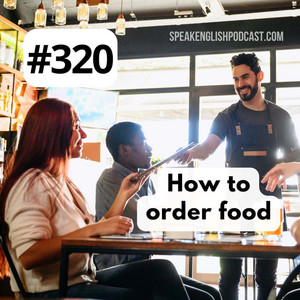
[Mastering Restaurant Etiquette and Language in the United States]-[#320 How to order food in a restaurant in the USA]
📋 Summary
Navigating Dining Experiences in the U.S.
Dining out in the United States offers a unique cultural and linguistic experience. To navigate this effectively, one must understand the structure of a menu, the nuances of ordering, and the social expectations regarding gratuity.
Understanding the Menu Structure
American menus are typically categorized into specific sections to help diners navigate their meal:
- Appetizers: These are "small dishes served before the main course."
- Entrees: These represent the "main dishes" of your meal.
- Sides: These are "small portions of your meal," such as fries or a side salad.
- Desserts: Described as "sweet treats to end your meal."
- Specials: Often highlighted as dishes "the chef recommends that day."
If you find yourself overwhelmed, the host encourages diners to be proactive by asking, "What do you recommend?" or "What's today's special?"
Essential Phrases for Ordering and Customization
When placing an order, clarity is key. Using polite phrases like "I'd like the..." or "Can I have the..." is standard. For those looking to customize their meals, simple modifications are easily requested:
- Dietary Adjustments: Use "Can I have that without...?" or "Could I add...?" For example, a diner might request, "I'd like the cheeseburger without no onions, please."
- Handling Leftovers: It is common practice to ask for a "to-go box" if you cannot finish your meal. Phrases like "Can I have a to-go box, please?" or "Could you box this up for me?" are perfectly acceptable.
The Culture of Tipping
Understanding the financial expectations of dining in the U.S. is crucial. Tipping is not optional; it is "expected in restaurants" as a way of showing appreciation for good service. The standard practice is to leave "15 to 20% of the total bill." To assist with this calculation, many establishments provide a suggested tip amount directly on the bill.
Fluency Practice: The Question and Answer Technique
Beyond culinary tips, the podcast introduces an effective method for improving English fluency: the mini-story technique. This involves a narrative followed by a series of simple, factual questions. This method, often used in premium courses, forces the learner to actively recall information and construct sentences in real-time.
In the provided example, the story follows an individual attempting to lose weight by following a dietician’s advice—specifically, eating a "variety of foods" in "moderation" rather than restricting specific items like spinach, kale, or occasional sweets. The narrative highlights the importance of following professional advice, noting that while the protagonist attempted to follow the doctor's guidance by ordering a variety of dishes but eating only half of each, they ironically became "heavier than ever," illustrating the complexity of lifestyle changes and the utility of this conversational practice method.
Deep Learning with ListenLeap


