
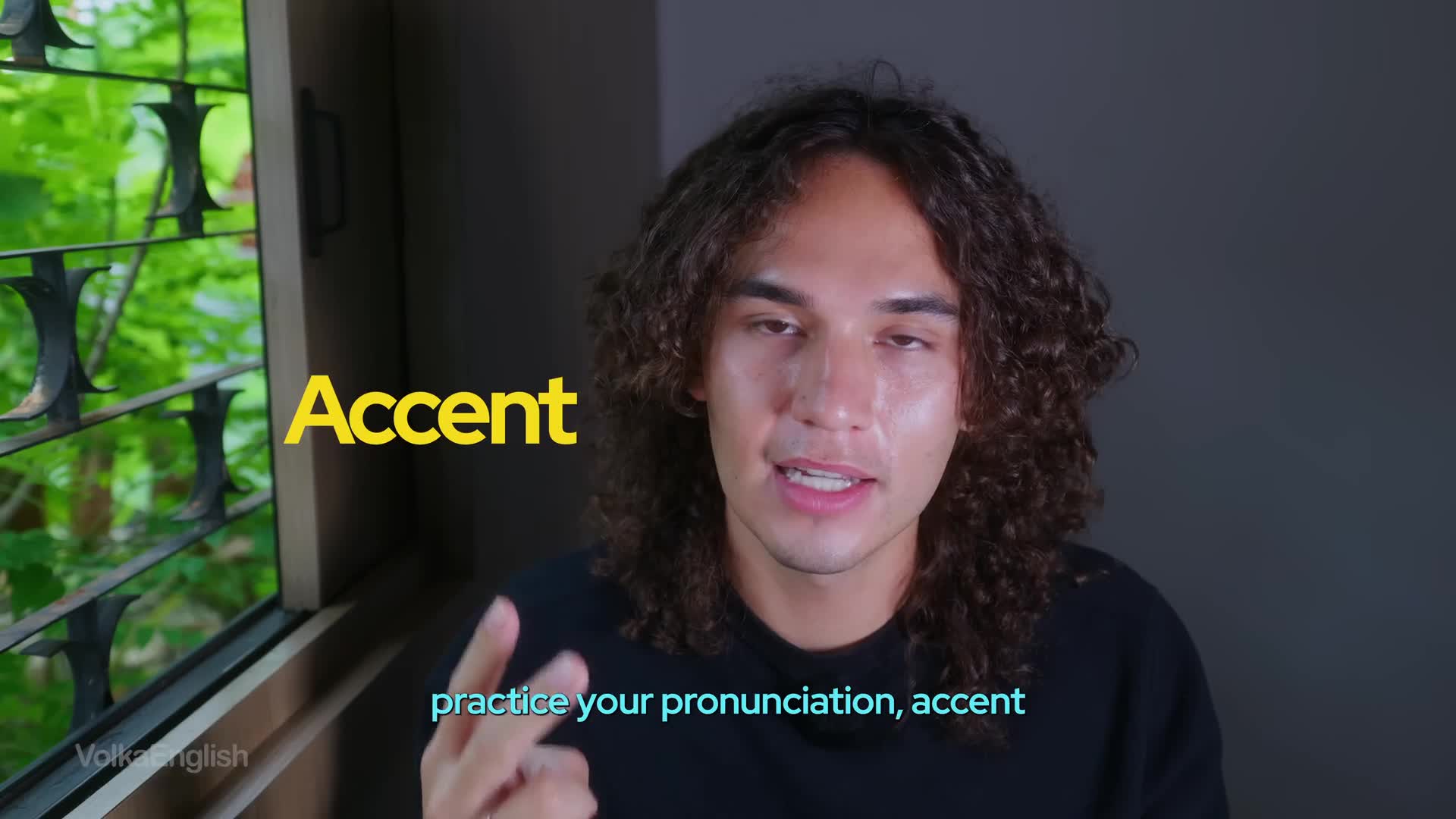
[Mastering the 25 Most Useful English Questions for Daily Fluency]-[25 Most Useful English Questions & Answers for Beginners]
📋 Summary
Mastering Conversational English: A Comprehensive Guide to the 25 Essential Questions
Improving English fluency requires more than just vocabulary memorization; it demands the ability to engage in natural, fluid conversation. This podcast episode provides a structured approach to mastering the 25 most common questions and answers, designed to build "pronunciation, accent, and confidence" in learners. By focusing on high-frequency language, this method aims to help students understand "up to 95% of spoken English."
Core Conversational Foundations
The first segment of the practice focuses on introductions and basic personal information. Mastering these allows learners to establish rapport quickly. Key questions include:
- Identity and Origin: "What's your name?" and "Where are you from?"
- Lifestyle: "Where do you live?" and "What do you do?"
- Family: "Do you have any brothers or sisters?"
For example, Leon, a native speaker, demonstrates how to answer these naturally. When asked, "What do you do?" he explains, "I work as an accountant," providing a clear, concise professional summary. These interactions serve as a template for how a native speaker maintains a natural rhythm and clarity.
Navigating Daily Life and Transactions
The second and third segments shift focus to practical scenarios: daily conversation and navigating social environments like shopping. These questions are essential for basic survival and socialization:
- Daily Status: "How are you?", "What are you doing?", and "What's the weather like?"
- Clarification: "Can you repeat that?" (Crucial for when communication breaks down).
- Commerce: "How much is this?", "Can you help me?", and "What are you looking for?"
Using the "yellow caption" technique, the host encourages viewers to practice active reading. For instance, when asking, "What's wrong?", the dialogue provides a model for explaining personal issues, such as "My back has been giving me problems lately." This helps learners move beyond simple, one-word answers to more descriptive, natural responses.
Socialization and Communication Skills
The final set of questions explores personal interests and linguistic competence, which are vital for building deeper connections with native speakers:
- Interests: "What do you like to do in your free time?" and "What kind of music do you like?"
- Linguistic Inquiry: "How do you spell that?" and "What does valuable mean?"
By practicing these, students learn to articulate their preferences, such as "I really enjoy playing hockey and basketball," or define abstract concepts, such as describing "valuable" as something "very expensive or meaningful to you."
The Importance of Active Questioning
A unique aspect of this lesson is the emphasis on asking questions, not just answering them. The host notes, "it's important to also learn how to ask questions, not just answer questions." By flipping the script, the learner forces their brain to process grammatical structures in reverse. This exercise helps the learner move away from being a passive recipient of information to an active participant in a dialogue.
Conclusion and Resources
To achieve true fluency, the host emphasizes the importance of a "strong English foundation." The podcast recommends utilizing tools like the "3000 most common English words PDF" and structured speaking courses. By focusing on "pronunciation, accent, rhythm, and natural speaking," learners can stop hesitating and start speaking with "real confidence." Consistent practice with these 25 questions provides the necessary framework to navigate almost any social or professional situation in English effectively.
Deep Learning with ListenLeap


