
[Journey to the West: Chapter 108 - The Ultimate Rewards and Ascension]-[108 Rewards]
📋 Summary
The Completion of the Sacred Mission
After a grueling and transformative odyssey, the travelers finally return to the Tang Empire, marking the conclusion of their epic pilgrimage. The atmosphere is thick with emotion as the Tang monk, overcome by "tears of happiness," reunites with the emperor. This homecoming serves as the emotional bridge between the mortal world and the divine destiny that awaits the pilgrims.
The Reunion and the Emperor's Gratitude
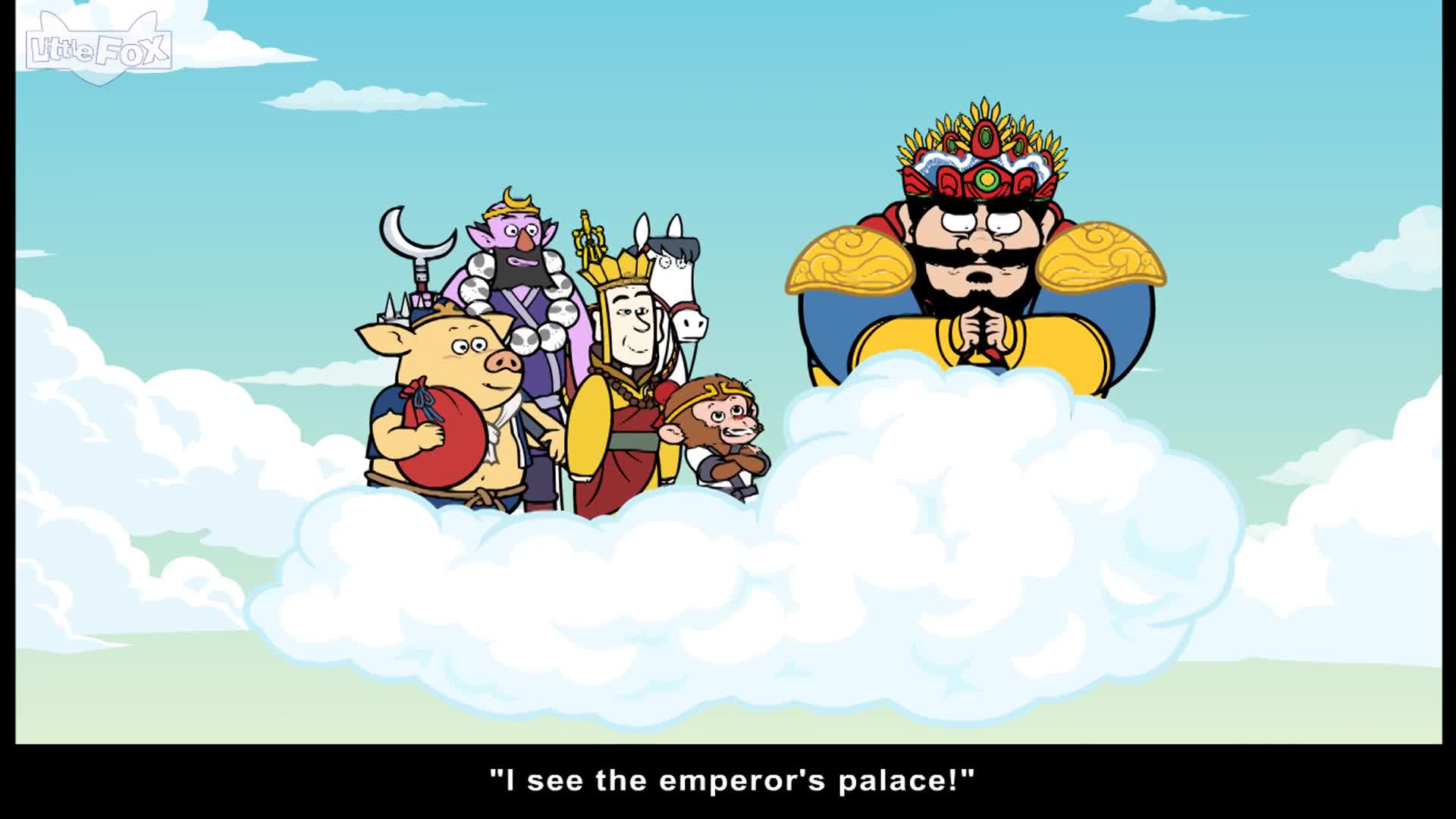
Upon entering the palace, the emperor greets the monk as "my brother," highlighting the profound personal bond that survived the years of separation. The monk humbly presents the "true scriptures," the primary objective of their long journey. A critical moment of recognition occurs when the monk introduces his companions: Sun Wukong, the "Monkey King"; Bajie, the pig; and Sha Wujing, the "purple spirit." The monk acknowledges their indispensable role, noting, "I couldn't have reached the western paradise without them." The emperor’s gesture of bowing to these protectors signifies a shift in perception—recognizing that the "brave monk" was not alone in his feat of saving the people from suffering.
The Divine Ascension at the Thunderclap Monastery
Following a magnificent feast where the monk recounts his stories, a miraculous event occurs. As the monk begins to read from the scriptures, "light filled the room," and the travelers ascend back to the Thunderclap Monastery to stand before Buddha. This marks the transition from mortal achievement to spiritual enlightenment.
The Dispensation of Divine Rewards
Buddha addresses each traveler individually, acknowledging their unique contributions and granting them liberation from their past:
- The White Horse: Having "carried the Tang monk on the journey," he is transformed into a "golden dragon in heaven," symbolizing the ultimate forgiveness for his former crimes.
- Sha Wujing: Recognized for his dedication, he is elevated to a "golden deity," his physical form turning to gold as he receives his new status.
- Bajie: Despite his constant complaining, his role as a protector is honored. He is appointed as the "janitor of the altars," an "important deity" tasked with looking after Buddhist altars.
- The Tang Monk: Buddha praises his unparalleled resolve, stating, "You made a journey that no other person could make." Consequently, he is bestowed the title of Buddha, with "light" glowing around him as a sign of his enlightenment.
- Sun Wukong: The most significant transformation is reserved for the Monkey King. Buddha acknowledges that while his "crimes long ago were terrible," he has since "used your tremendous powers to do good deeds." Wukong is also named a Buddha. The most profound symbol of his liberation is the disappearance of the headband, which prompts the realization: "You don't need it anymore."
Conclusion: Eternal Peace
The narrative concludes with the pilgrims joining the ranks of Buddhas and Bodhisattvas in the Western paradise. The journey, which began as a quest for scriptures to save the people of the East, culminates in the spiritual perfection of those who undertook the challenge. By shedding their past identities and embracing their roles as enlightened beings, Wukong and the monk find themselves in a state of lasting "joy," having secured their place in history and the divine realm.

Deep Learning with ListenLeap


