
[The Lesson of Imperfection: Concluding the Pilgrimage to the West]-[107 Nothing Is Perfect]
📋 Summary
The Lesson of Imperfection: Concluding the Pilgrimage to the West
The Aftermath of the River Crossing
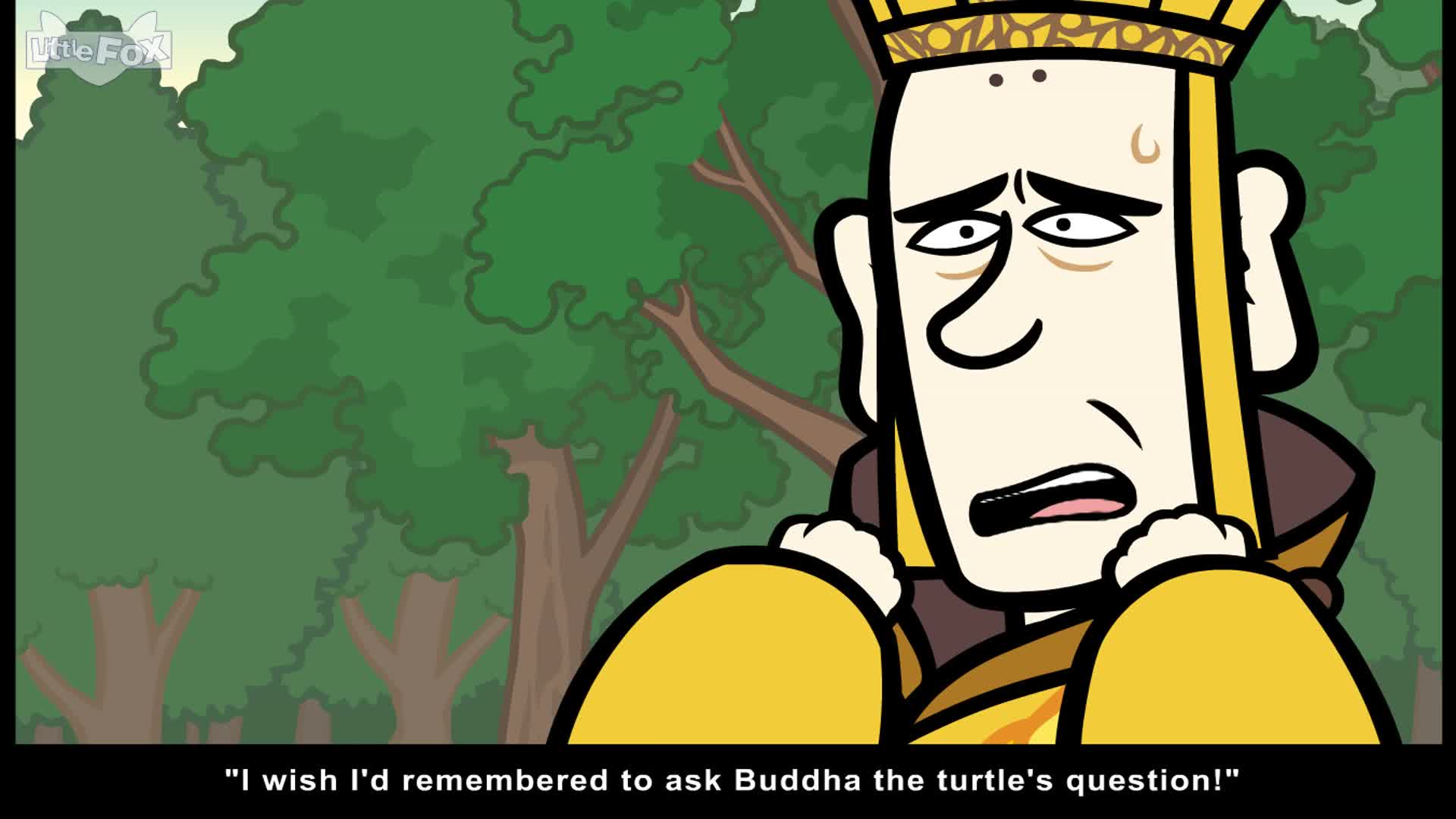
As the travelers emerge from the river where the giant turtle had previously "dumped us in the water," the atmosphere is thick with frustration and exhaustion. The Tang monk, overwhelmed by the possibility that their hard-earned rewards are ruined, moans in despair, lamenting, "I wish I'd remembered to ask Buddha the turtle's question." While Bajie and Wujing harbor resentment toward the turtle for being "rude," the immediate concern remains the condition of the scrolls. This moment captures the vulnerability of the pilgrims, who, despite having reached the "western paradise," are still tethered to human anxiety and the physical limitations of their world.
The Encounter with Chen and the Tattered Scripture
Their reunion with Chen provides a brief respite and a chance to dry the "true scriptures." However, the theme of human fallibility is cemented when Bajie, in his haste, accidentally tears a corner off one of the scrolls. The monk’s gasp of "Oh no!" highlights his deep attachment to the physical perfection of the scriptures. This incident serves as the pivotal philosophical turning point of the narrative. Wukong, ever the sage-trickster, uses this accident to impart a profound lesson: "Nothing on earth or in heaven is perfect." By questioning the monk, himself, and even Bajie about their own lack of perfection, Wukong argues that the scriptures themselves need not be pristine to be effective. Their true value lies in their ability to "teach the people of the east how to be good and avoid suffering" while simultaneously demonstrating that "nothing needs to be perfect."
The Dangers of Human Attachment
Despite the warmth of the village welcome and the "big feast" held in their honor, the travelers remain vigilant. The Tang monk reflects on the nature of human desire, fearing that the villagers will "become jealous that we have them" (the scriptures). This echoes the earlier trials of their journey, specifically the memory of the "priest who tried to kill the Tang monk and steal the robe." To avoid the corruption of greed and the potential for conflict, they choose to "sneak away" under the cover of night. This decision underscores their spiritual growth; they prioritize the protection of their mission over the vanity of receiving public adulation.
The Final Trial and Ascension
As the group departs under the light of the full moon, they are met by the "guard from the Thunderclap Monastery." The guard’s declaration—"You have faced one hundred challenges"—serves as the final validation of their arduous journey. For the Tang monk, this is the ultimate relief, confirming his destiny: "I will become a Buddha at last." The story concludes with the guard reciting a spell, sending the travelers flying toward the east. This transition marks the end of their physical pilgrimage and the beginning of their spiritual transcendence. By accepting the imperfection of the scrolls and the journey itself, the pilgrims have finally achieved the state of enlightenment necessary to complete their mission.

Deep Learning with ListenLeap


