
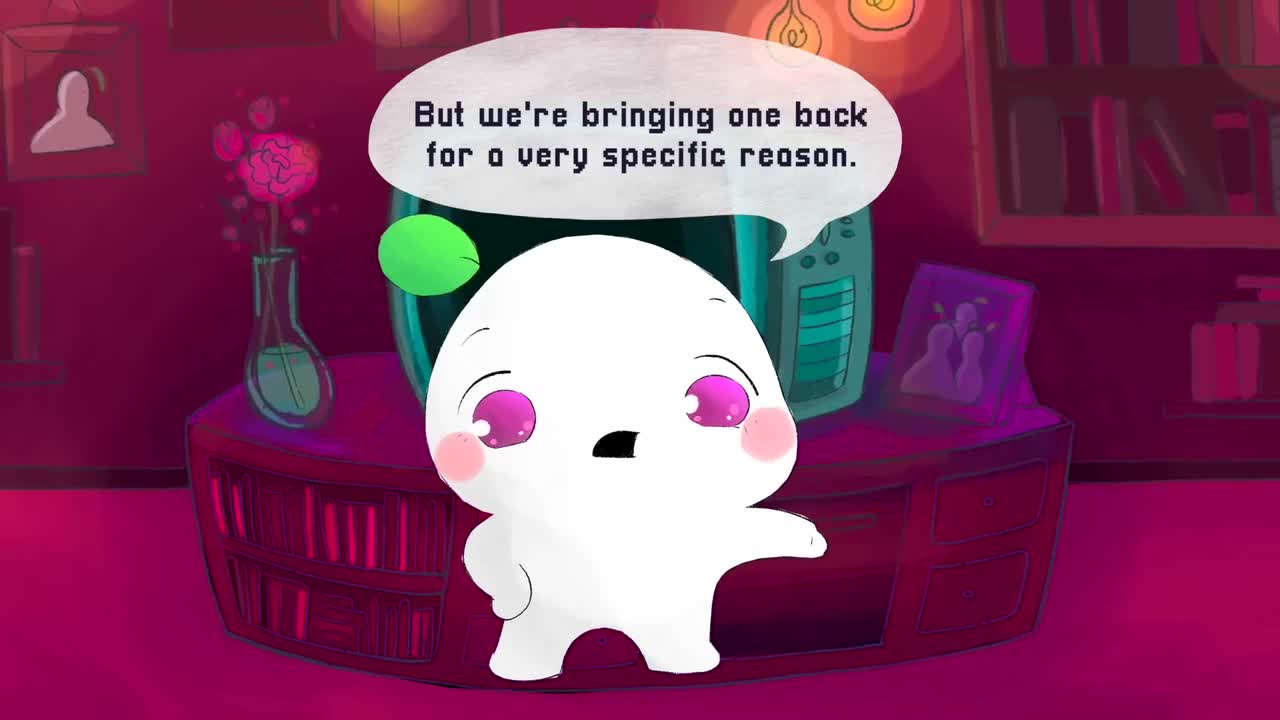
[The Anatomy of Heartbreak: Understanding and Healing from the Top 10 Breakup Regrets]-[10 Breakup Regrets You’ll Realize Too Late]
📋 Summary
The Anatomy of Heartbreak: Understanding and Healing from the Top 10 Breakup Regrets
Heartbreak is a universal human experience, yet it often feels like a lonely, isolating void. Research indicates that regret over romantic relationships is more intense and common than in any other area of life, including career and family. By examining the most common regrets, we can transform these painful reflections from sources of shame into valuable data for personal growth.
The Top 10 Breakup Regrets
Based on community stories and psychological research, here are the most frequent regrets people face after a relationship ends:
- Staying Too Long: This is identified as the most common regret. It is likened to "renting a movie you hate" and continuing to watch it for hours, hoping for an improvement that never arrives. It represents a significant waste of time on a situation that was clearly "not healthy" and "unlikely to change."
- Not Trusting Your Gut: Many people look back and realize they ignored their intuition—the "little voice that says something's off." In hindsight, the ignored red flags were often as obvious as a "five alarm fire with a marching band playing."
- The Manner of Ending: Whether it involves saying "horrible things" in a final fight or resorting to a "faded out ghosting act," people often regret their behavior in the final moments of a relationship, wishing they could have acted with more integrity.
- Not Fighting for the Relationship: This haunting regret is particularly prevalent among those who did not initiate the breakup. Studies show that those caught off-guard report "significantly higher levels of distress and trauma."
- Losing Oneself: This is described as a major regret where individuals alter their "hobbies, style, friend groups," and even their "entire personality" to accommodate a partner, leaving them unable to recognize who they became.
- Compromising Values: Making sacrifices—such as moving to a hated city or taking on debt—for a partner often leaves people feeling like they are "paying the price for a decision made by a version of you that was drunk on love."
- Taking Emotional Intimacy for Granted: Often cited as the primary regret for men, this stems from the assumption that a partner would "always be there." The subsequent silence becomes painful proof of a connection that is difficult to replicate.
- Isolation: Partners sometimes "trip away at your friendships" until you are left with no social support, leading to the painful realization that you are "truly alone" after the split.
- The Revenge Phase: Engaging in performative behaviors like "overly-created Instagram posts" or "desperate hookups" is a common attempt to show an ex what they are missing, though it ultimately feels like a "one-person show for an audience that isn't even watching."
- Durnper's Remorse: Breaking up is not always a relief. Psychological research confirms that 40-50% of people who initiate breakups experience "significant emotional turmoil," including guilt and regret, as they realize that the desired freedom can be unexpectedly lonely.
Moving Forward: From Regret to Resilience
While reading this list may feel like "picking at a scab," it serves to validate your pain. To heal, one must shift their perspective on regret:
- Regret as Data: Rather than a "life sentence," treat regret as your brain’s "brutally honest feedback report." It highlights your values and needs. Do not dwell on the mistakes; thank your past self for the lesson, regardless of the cost.
- Practice Self-Compassion: Understand that you were acting within a "fog of love, hope and fear." Use the "fading effect bias"—a natural psychological mechanism—to allow the negative emotions associated with the past to dissipate faster than the positive ones.
- Reframe the Narrative: You cannot change the past, but you can change its meaning. View the "wasted time" as an education and the "lost identity" as a necessary shedding of skin.
Ultimately, the pain of a breakup is the price of a lesson that proves you are stronger than you think. If you are struggling, remember that research suggests 71% of people begin to feel better around the 11th-week mark. Closure is not a destination but a process that you are already navigating.
Deep Learning with ListenLeap


