
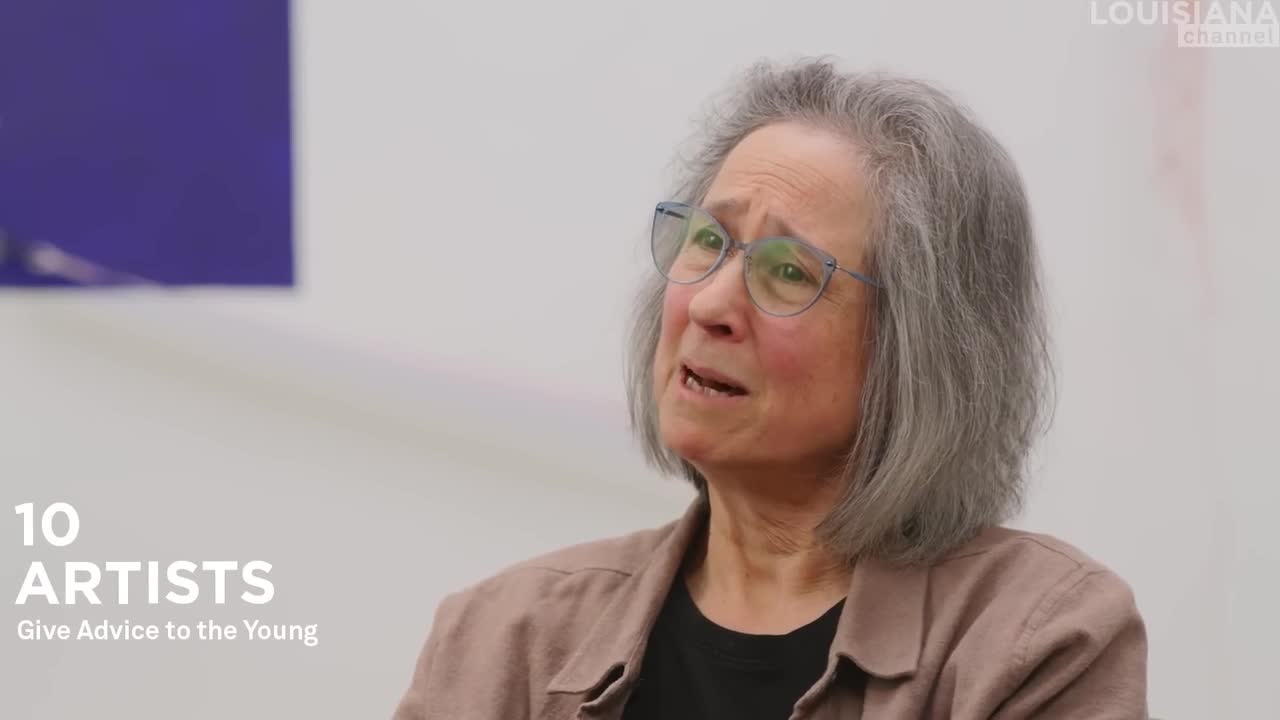
[The Art of Process: Embracing Ignorance and Imagination in Creative Practice]-[10 acclaimed artists give advice to the young]
📋 Summary
The Philosophy of Creative Process: Beyond Perfectionism
In a world increasingly obsessed with standardized success, the speaker argues that our educational systems have failed us by prioritizing "getting the answer right" and "passing the test" over the actual joy of discovery. This hyper-fixation on avoiding mistakes stifles the creative spirit. To truly evolve as an artist, one must learn to "place judgments aside" and be "loose" in their approach to creation.
The Liberation of Ambiguity
One of the most provocative points raised is the utility of labels. The speaker admits that being a "multimedia artist" is a "meaningless term," yet it serves as a powerful psychological shield. By adopting a broad label, an artist grants themselves the freedom to traverse different disciplines—sculpting, music, or painting—without being questioned by outsiders. This lack of definition allows for a fluidity that is essential for an artist’s growth, enabling one to follow their "ambitions" without the constraint of being pigeonholed into a single medium.
Respecting Imagination and History
"Don't be scared of imagination," the speaker urges. Imagination is the engine of creative fulfillment, and it demands "huge respect." A common pitfall for young artists is the urge to reject the past as "old fashioned" or "out of date." However, the speaker advises the opposite: one should "go right back through history" to study painting, sculpture, and architecture. By engaging with the vast canon of art, a young artist begins to grasp "how great it is," which naturally fuels the desire to "be part of that greatness."
The Primacy of Process over Product
Perhaps the most practical advice offered is the mantra: "Work first and think second." Many artists become paralyzed by the desire to produce a "finished artwork." The speaker suggests shifting the focus entirely to the "project." In this framework, the artwork is merely the "residue of a process." When you stop trying to realize a preconceived image and instead focus on the project itself, you allow the work to emerge organically.
Furthermore, the speaker warns against the "rigid structure" imposed by society. We are often molded by external forces—religion, societal expectations, and definitions—that make us rigid. To be a true artist, one must "break this rigid structure" and reclaim the freedom of the child who exists in the world without needing to define themselves by their output.
The Virtue of Ignorance
Finally, the speaker challenges the arrogance of expertise. "Knowing what you're doing is overrated," they claim. True creativity often thrives in the space of uncertainty. The speaker encourages artists to "enter the ignorance of what you think you know." If you do not get the result you expected, it is not a failure; it is an opportunity. By being patient and embracing the unknown, an artist avoids the trap of isolation and manipulation by their own mind, allowing them to remain "true to yourself" regardless of whether they are working in a studio, a cafe, or a construction site. Ultimately, art is about the capacity to "enjoy being in the world," and the process is the only thing that truly matters.
Deep Learning with ListenLeap


