
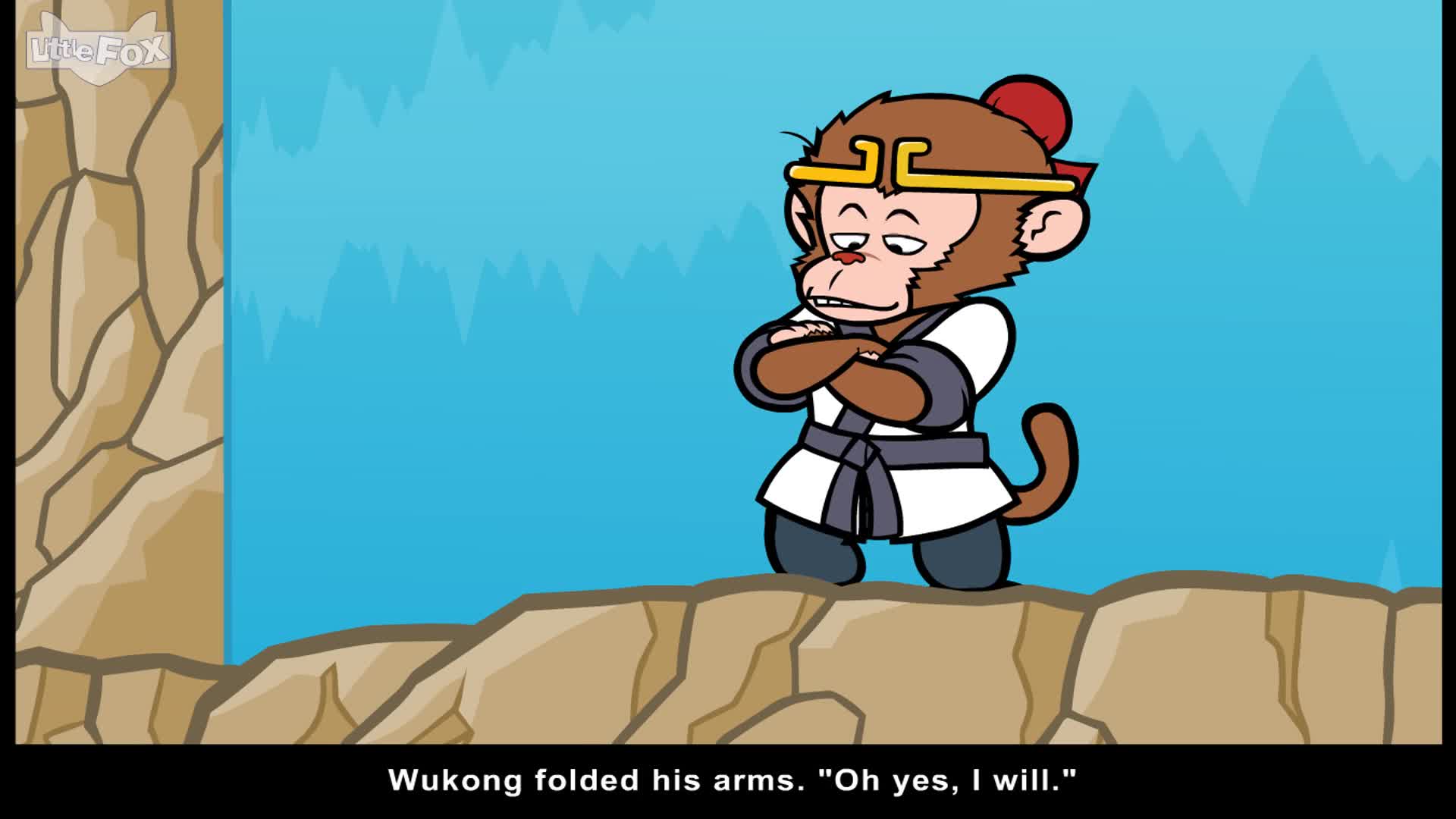
[The Mystery of the Dual Monkey Kings: A Journey to the West Retelling]-[073 Two Wukongs]
📋 Summary
The Mystery of the Dual Monkey Kings: A Journey to the West Retelling
The Confusion of Identity
The narrative begins with a scene of profound bewilderment for Wujing, who witnesses a "fake Wuzhing" tending to the horses. This encounter sparks a series of events that challenge the sanctity of the pilgrimage. Wujing, sensing a threat to the mission, believes that "you won't get the true scriptures without the real Tang monk" and seeks the intervention of the Bodhisattva. The central conflict arises from a supernatural deception where Wukong’s identity is usurped by an unknown impostor.
The Encounter at Mount Potalaka
Upon arriving at Mount Potalaka, Wujing is met with a startling revelation. He finds Wukong "meditating in the Bodhisattva's garden," a sight that contradicts his earlier encounter at the Fruit and Flower Mountain. Guan Yin clarifies that "Wukong has been here the whole time," leaving Wujing in a state of shock. This discovery shifts the narrative from mere suspicion to a direct confrontation, as Wukong, filled with rage, declares, "Someone is pretending to be me... I'm going to destroy him."
The Clash of Equals
The return to the Fruit and Flower Mountain sets the stage for a physical manifestation of the identity crisis. The two monkeys, both claiming to be the "king of the Fruit and Flower Mountain," engage in a violent duel. The intensity of their combat is described through the visceral sounds of their struggle: "Clang!" and "Bam!" as their iron bars collide. The confusion reaches its peak when Wujing observes both combatants pleading for his assistance, forcing him to ask the desperate question: "Who is the real Wukong?"
The Search for Truth
Unable to distinguish the true Monkey King, Wujing proposes a trial before Guan Yin, suggesting that she "will be able to tell who is who." Both monkeys, confident in their own authenticity, agree to the arbitration. However, even the divine insight of Guan Yin is tested, as she admits, "I can't tell which one of you is the real Wukong."
The Final Test: The Tight Headband Spell
The story concludes on a cliffhanger, with the two Wukongs proposing a final, dangerous test to prove their identity: the "tight headband spell." By invoking a spell that is tethered to the "real headband," they hope to expose the impostor. This resolution highlights the themes of internal duality and the difficulty of perceiving truth when the imitation is as perfect as the original. The tale leaves the reader contemplating the nature of the self and the fragility of identity in the face of a perfect mirror.
Deep Learning with ListenLeap


