
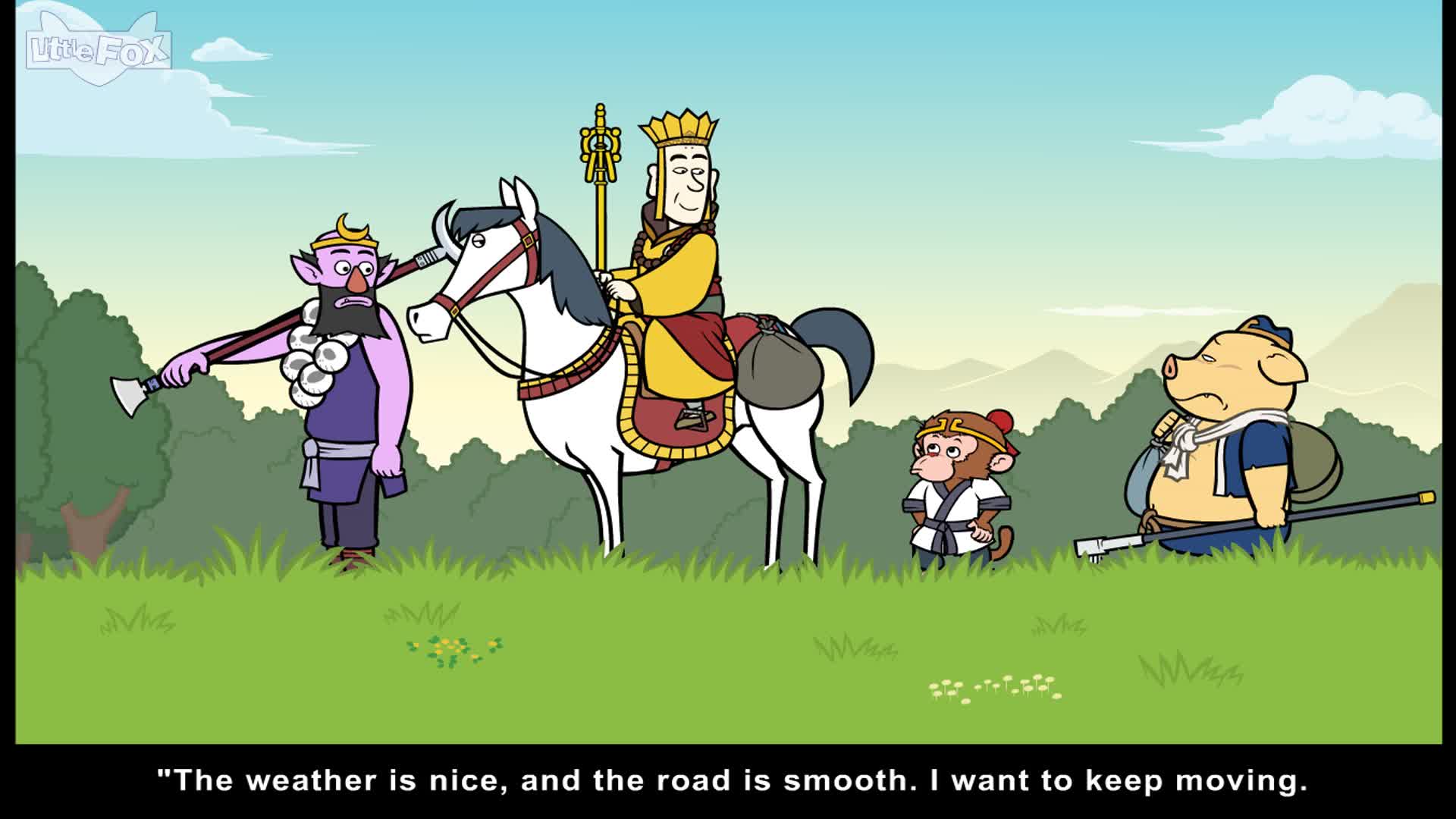
[The Conflict of Compassion: Sun Wukong’s Exile]-[071 Money]
📋 Summary
The Conflict of Compassion: Sun Wukong’s Exile
The Journey and the Distractions
As the group travels toward the "western paradise," the dynamic among the travelers remains lighthearted yet strained. Bajie, constantly complaining that he is "hungry" and that his "legs are tired," provides a comedic contrast to the Tang Monk’s single-minded focus. Even amidst the solemnity of their quest, Wukong’s sharp tongue remains active, teasing the Tang Monk about the "scorpion spirit" and mocking Bajie’s vanity regarding his looks. This banter highlights the internal friction within the group, as they navigate the "smooth" road while struggling with the physical and mental tolls of their journey.
The Encounter with Robbers
When the Tang Monk is separated from his companions due to Wukong’s reckless handling of the horse, he faces a group of "nasty-looking men." These robbers demand money, creating a classic confrontation between worldly greed and spiritual discipline. Wukong, ever the protector, arrives to confront the men. Instead of immediate violence, he proposes a "bet" involving his signature iron bar. The man with the axe, blinded by arrogance, finds the bar "heavier than it looks," highlighting the disparity between mortal strength and Wukong’s supernatural power. The imagery of the man sweating as the bar "didn't budge" serves as a testament to the futility of greed when pitted against divine artifacts.
The Moral Divide: Violence vs. Mercy
When Wukong attempts to strike the robbers, the Tang Monk intervenes using the "tight headband spell." This moment is the climax of their ideological conflict. The Tang Monk’s insistence that "you must not hurt people" stands in direct opposition to Wukong’s pragmatic approach of "destroying demons." Wukong, feeling betrayed, argues, "I destroy demons all the time," yet the Monk draws a firm moral line. The Monk’s accusation, "You’re still evil, Wukong," cuts deep, revealing his fundamental distrust of the monkey’s violent tendencies.
The Heartbreaking Exile
The narrative reaches a tragic conclusion when the Tang Monk forces Wukong to leave. Despite Wukong’s plea that "you need me, master," the Monk remains resolute, threatening to recite the spell "until your head explodes." This threat represents a complete breakdown of trust. The scene ends on a poignant note: Wukong, "with tears in his eyes," leaps into the air and vanishes. This departure leaves the reader questioning the sustainability of their journey. Can the Tang Monk survive the dangers of the road without his protector, and has the Monk’s moral rigidity blinded him to the loyalty and necessity of his most powerful disciple? The exile of Sun Wukong serves as a somber reminder of the difficulties inherent in reconciling absolute compassion with the harsh realities of their perilous world.
Deep Learning with ListenLeap


