
[The Ginseng Fruit Incident: A Tale of Temptation and Misunderstanding]-[027 The Ginseng Fruit]
📋 Summary
The Encounter at the Taoist Abbey
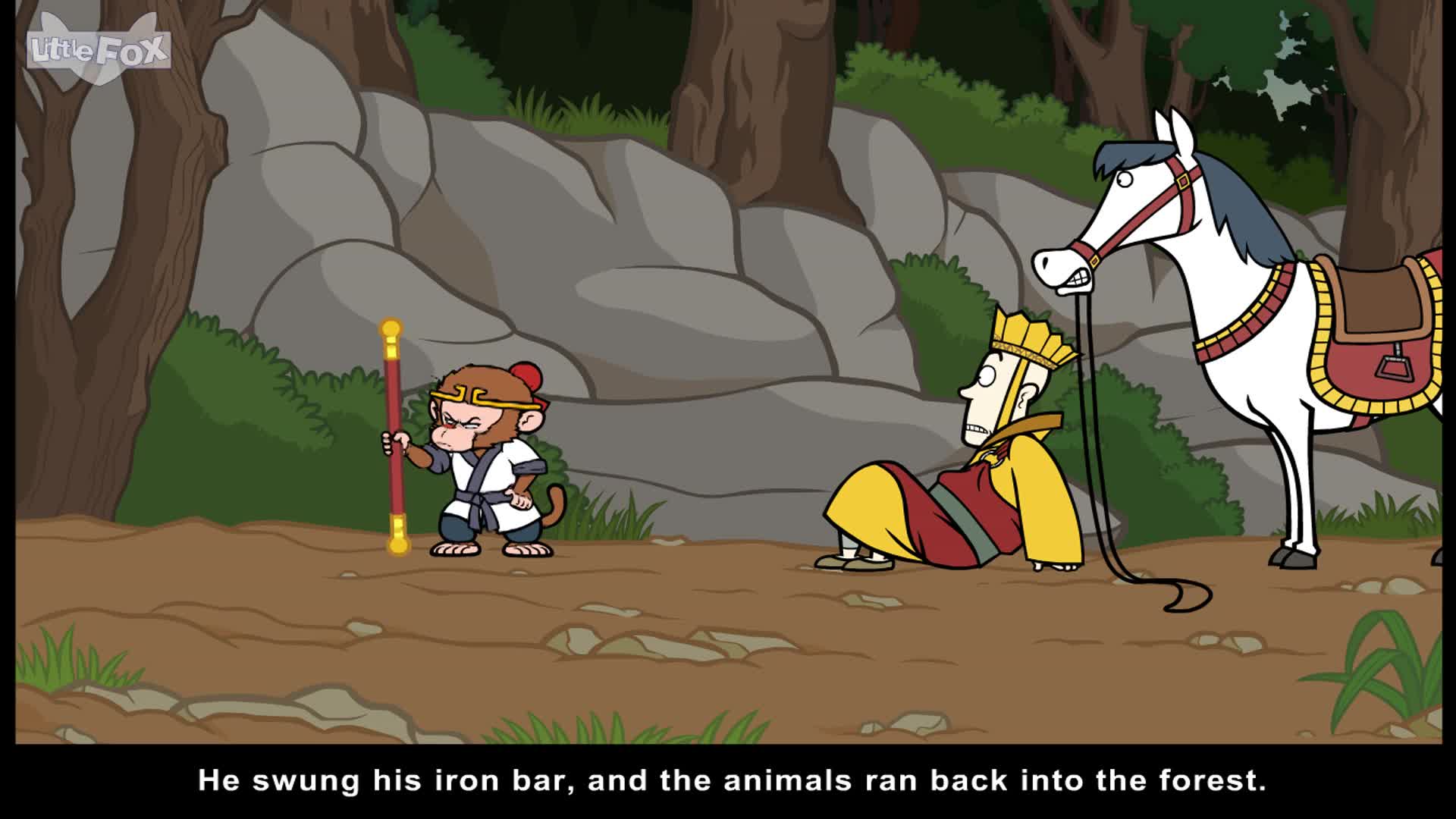
The journey of the Tang monk and his disciples, Wukong, Bajie, and Wu Jing, takes a tense turn as they approach a mysterious Taoist abbey. The atmosphere is established early on by the Tang monk’s vulnerability; he is described as having "trembled with fear" when faced with wild animals, while Wukong, ever the confident protector, dismisses these threats as mere play, claiming, "You never have to fear any wild animals. You have three powerful companions." This contrast in temperament sets the stage for the group's arrival at the abbey.
The Mysterious Immortal
Upon reaching the abbey, the group is greeted by two priests who seem to possess foreknowledge of the Tang monk’s arrival. They claim their master is a "great immortal" who is "very wise and powerful" and currently "visiting friends in heaven." Wukong’s skepticism is immediate and blatant, as he laughs and remarks, "I’ve never heard of him. I doubt he’s very powerful." His irreverence, coupled with his claim that he "used to live in heaven" and that "the place isn’t that great," highlights the ongoing friction between Wukong’s prideful nature and the Tang monk’s desire for decorum, leading the monk to scold him, "Show some respect, Wukong."
The Legend of the Ginseng Fruit
The narrative shifts into the realm of the supernatural when the priests introduce the concept of the "ginseng tree." They explain that the fruit takes "10,000 years to become ripe" and that, "according to legend, one bite of the fruit will make you live forever." The Tang monk, displaying his moral reservations, worries about the ethics of consuming such a "true treasure" without the master's permission. However, the priests insist that their master granted them permission to share it with the monk.
The Visual Deception and Moral Conflict
The climax of the visit occurs when the priests present the fruit on a tray. The Tang monk’s reaction is one of pure horror: he "screamed" because the fruit looked like a "tiny sleeping baby." Despite the priests' explanations that the fruit only appears this way to an "immortal" and that it is not a human child, the monk remains steadfast in his refusal to consume it. The priests, frustrated by his rejection, decide that since the fruit is "too delicious and valuable" to waste, they will consume it themselves.
The Temptation of Bajie
While the Tang monk is preoccupied with his moral dilemma, the narrative focuses on Bajie, who is in the kitchen. Having overheard the priests' conversation about the fruit’s exquisite qualities, Bajie experiences a visceral reaction—his "stomach growled." The story concludes with Bajie’s internal monologue, revealing a character driven by desire: "That fruit sounds wonderful... I want some too." This ending highlights the recurring theme of temptation that follows the group, setting the stage for future conflict as Bajie’s gluttony and curiosity threaten to disrupt the fragile peace of the abbey.
Deep Learning with ListenLeap


