
[The Conflict of Virtues: Wukong’s Departure and the Lesson of the Golden Headband]-[015 Tea with a Dragon]
📋 Summary
The Clash of Philosophies: Wukong vs. The Tang Monk
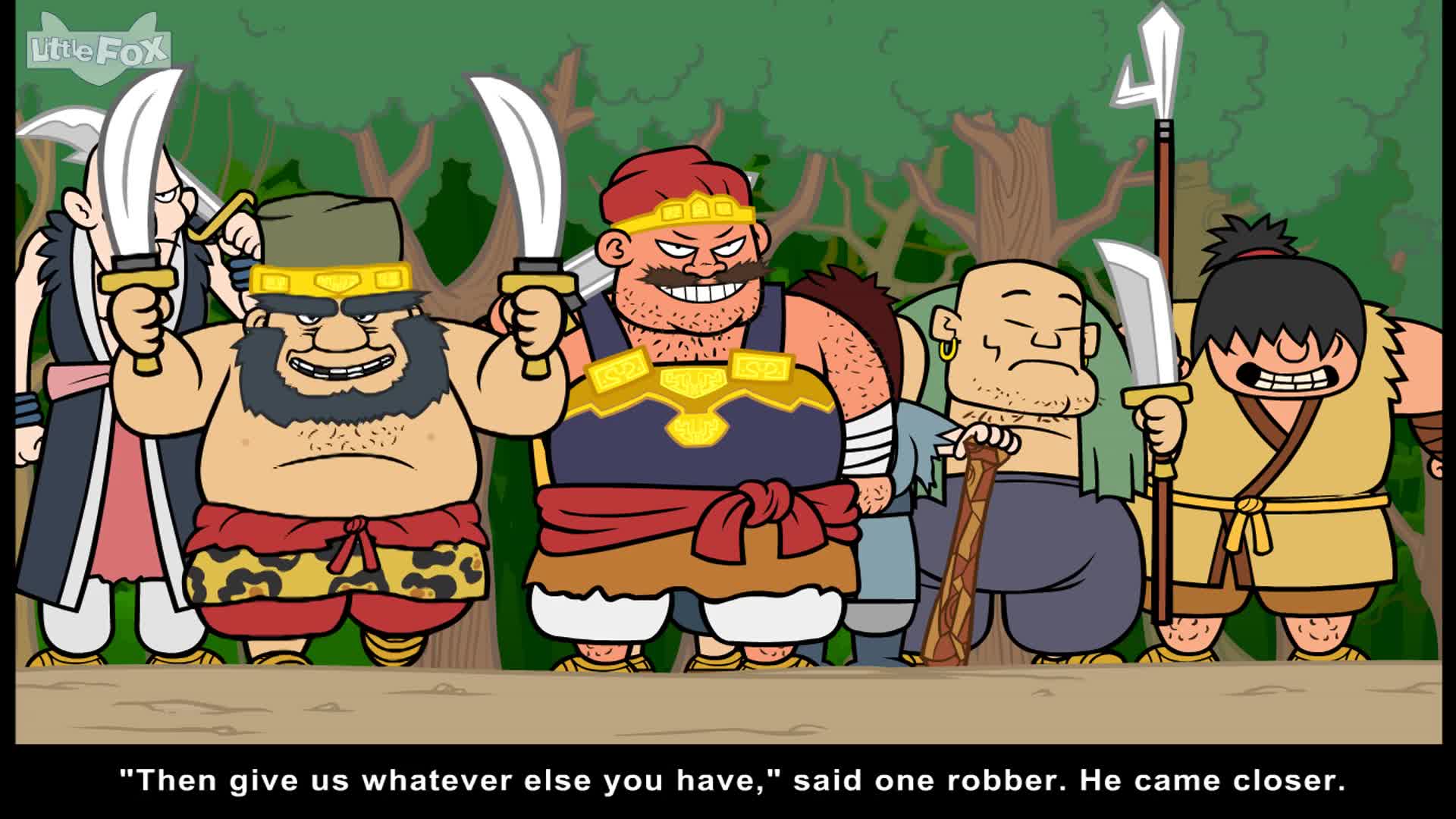
In this chapter of Journey to the West, a fundamental ideological rift emerges between Sun Wukong and the Tang monk. The conflict begins when the duo encounters a group of robbers. Wukong, ever the warrior, prepares to defend them with his iron bar, his eyes flashing "red with anger." However, the Tang monk intervenes, asserting his core Buddhist values: "A Buddhist monk never hurts people." He declares, "I would rather get hurt than hurt someone else," a sentiment Wukong dismisses as "ridiculous." This disagreement escalates quickly; the monk labels Wukong as "cruel and violent," prompting the monkey, feeling unappreciated for saving their lives, to abandon the journey in a fit of rage.
Divine Intervention: The Gift of the Bodhisattva
Left alone, the Tang monk encounters an old woman who reveals herself to be the Bodhisattva Guan Yin. She provides the monk with a tool to manage Wukong’s volatile nature: a "metal headband." She instructs the monk to use a "tight headband spell" whenever Wukong "misbehaves." This magical object represents the necessity of discipline and the taming of the ego, a recurring theme in the monk's mission to reach the "western paradise." The sudden "flash of bright light" as Guan Yin ascends underscores the divine oversight guiding the Tang monk's difficult pilgrimage.
Reflection at the Eastern Sea
Seeking refuge, Wukong retreats to the palace of the Dragon King of the Eastern Sea to reflect over tea. Having previously faced "punishment" for causing trouble for the Jade Emperor, Wukong is in a state of transition. He initially boasts that he is "not doing it anymore," referring to his quest to obtain "scriptures from Buddha."
However, the Dragon King serves as a mirror to Wukong’s own behavior. When Wukong complains that the monk had a "bad attitude" and "yelled at" him, the Dragon King gently challenges this narrative. He courageously points out, "You are violent sometimes" and reminds Wukong of his "promise to Guan Yin." By questioning if it is actually Wukong who has the "bad attitude," the Dragon King forces the monkey to confront his own arrogance.
Conclusion: The Path to Enlightenment
This chapter serves as a critical turning point. It highlights that the journey is not merely a physical trek to the west, but an internal evolution. Wukong’s initial reliance on brute force and his quick temper are contrasted with the monk’s commitment to non-violence. Through the intervention of the Bodhisattva and the candid counsel of the Dragon King, the narrative suggests that for Wukong to succeed, he must learn to curb his "cruel" impulses and honor his commitments, even when faced with personalities that clash with his own wild spirit.
Deep Learning with ListenLeap


