You're listening to Roundtable.
I'm Steve Hatherly, joined today by Nghong Lin and Yuxun.
Coming up, Beijing, the capital of China and one of the biggest cities in the world.
What is it that makes this city tick?
Stay with us and we'll give you 3000 reasons to visit the 3000 -year old Metropolis.
It's our podcast listeners that you can find us at Roundtable China on Apple Podcast, and please don't forget, we love to hear from you as well.
You can send an e -mail, we appreciate that, but we love to hear your voice so a voice note would be fantastic.
Send those our way with your thoughts on any of the issues that we discuss on the show.
Here's how you do that, roundtablepodcastatqq .com, roundtablepodcastatqq .com and now, Beijing, Beijing, the capital of China, is a fascinating blend of ancient traditions and modern innovation.
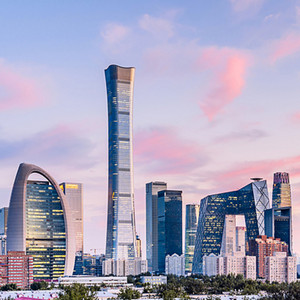
The city is home to iconic historical landmarks such as the Forbidden City, the Temple of Heaven, and the Great Wall which stand as a testament to its rich imperial past. At the same time, however, Beijing is a thriving metropolis with cutting edge architecture like the National Stadium, also known as the Bird's Nest. This dynamic mix of old and new creates a unique cultural tapestry where centuries -old Hu tons or alleyways coexist with futuristic skyscrapers offering visitors a glimpse into both China's storied history and its rapid modernization.
What is the story behind this giant city?
What are some of the best places to visit?
We'll get you ready with all you need to know before you visit us here in the Capitol.
Now, neither of you and myself too, obviously, are from Beijing.
So what I want to ask first is you're not from here, but you've lived here for a considerable period of time.
What were your expectations about Beijing before you moved here?
And I wonder if your opinion has changed at all.
Then I'll say first, because maybe I'm still quite new to Beijing.
I've been here for more than three years now.
I've probably mentioned this a few times on the show and to my friends as well.
What left the deepest impression on me is Beijing's weather.
Before coming into Beijing, my impression of the city was probably just cloudy skies, strong winds, and also sometimes the air filled with yellow dust. But when I arrived in Beijing actually especially right after stepping out of the subway station, I was struck by how fresh and clean the city felt after it rained.
You know the bushes along the streets were all lush and green and the sky was so clear.
My impression of Beijing like completely changed after that after that stop.
See that's so interesting to me.
How far away is your hometown?
I I was born and raised in Southern of China.
So Five six hours away.
Yeah, yeah with high speed rail Yeah But even being from China you had an impression of Beijing before you came here It turned out to be somewhat false from what you're what you were expecting.
That's really fascinating to me young Min How about you I arrived around ten years ago, and that was no not my first visit to Beijing So I was not that estranged about the city and the feeling, and yet my previous visits were to Forbidden City, to Summer Palace, to these tourist spots, And even to some relatively commercialized areas where I go shop and go around by some souvenirs And I always thought, hmmmm, this is a city with a lot of history, with a lot of resources It feels a little bit intimidating in the sense that it's got everything going on Yet, when I actually reside here, I realized
that like any other city, it has much much more to offer which means that if you're looking for a relatively quiet place to just live and do your mind or own business, you can get it.
If you want to find the most fashionable area with a lot of people dressing really good taste, you can find it.
If you want to find an art gallery that you want to visit once or even several times a week, yet you're looking for different types of exhibitions to see, to enjoy, you can find it.
it's a really huge city you can continue to explore there's so much yeah and there's I think I could live here well let me ask you you've lived here for 10 years and you shouldn't you've lived here for three years I'm guessing you haven't been to every part of beige and you probably never will I know I understand what you mean but at the same time and this is how I feel you know the population in Beijing is about 21 and a half million roughly it doesn't and this is what you were saying, Yehong Lin I think, is that it doesn't really feel like that.
Yeah, the traffic gets bad sometimes...
Friday night if you're trying to go downtown or something like that.
But you don't necessarily get this huge overcrowded feeling because of the geographical space.
It's such a huge city, north to south and east to west. So it doesn't feel like that.
I said as the lead, we'll give you 3000 reasons to visit this 3000 year old city.
there's so much history here.
And I wonder, being from China, what are some of your favorite parts of Beijing's history, I want to know?
To be honest, I don't have a particular favorite period of Beijing's history, but I do appreciate some of the historical elements that have been preserved.
For example, Beijing's central axis which was listed as a world heritage site or world heritage last year and also the Hu Tongs or that alleys that carry the unique character of the city, these make the city even more charming and full of life.
Sorry to interrupt.
The Hu Tongs are all different or do they kind of have a similar vibe to them, would you say?
I think they have similar vibes because if you think about if you're thinking about alleys, you have alleys everywhere Yet the vibe comes from the details Like if you're walking an alley with really high walls or if you're walking an alley that is not that thin Yet the constructions besides were in the block are also not that 2 3 4 is not that high And also, you do not see a lot of decoration on the walls.
They have this relatively unify, kinda an antiquey, a little bit an antiquey look.
So, I think that is what I was also trying to express when I say Beijing can be very different.
And it's because different district, different area would have different vibes.
Oh, one thousand percent true.
Yeah, if you're in the central business district of Beijing, If you're in that downtown area, I remember asking when I moved here, so, where's downtown?
And you, my coworkers were like, um, because there's about 30 downtown.
So how do you answer that question?
But if you are in the central business district, um, you, you would feel like you were standing in the middle of Manhattan, to be honest with you.
Right. It's got that very modern feel to it.
And then you go a couple of subway stops away and you can get out and go to a Hutong which feels like you're stepping back hundreds if not a thousand years it's got that really old feel to it the Hutong that I visited it was a lot of shops that sold little trinkets for tourists and things like that but you had that so it had that element to it but it also just had the element of oh this is this is where stuff used to happen.
You know this is where communities live.
This wasn't a shopping district a few hundred years ago.
This is a community.
And you get that sense in the Hutongs when you're walking around as well.
Which is one of the wonderful things, is that those are so close to each other.
They're right next to each other, the modern and the old co -existing.
How about for you Honglin?
What do you think? Some of your favorite parts of Beijing's history?
Well I think one One wonderful thing about Beijing is that it doesn't change so drastically that you do not recognize it anymore because we are in our twenties, thirties, and we used to, for example, watch a lot of TV shows, watch a lot of movies that are actually made in Beijing and you still recognize the kind of vibe, the accents, the way people walk, the kind of little fruit and vegetable stalls on the side of the street.
We do not no longer see many of those anymore yet.
The construction, the buildings, and the accent, and even the dressing style of relatively elder generation stays the same.
So when you arrive in Beijing as a tourist, you still recognize what you've seen in movies, in TV shows and that is really easy for you to be related to the city in an emotional way.
Hmm that makes sense yeah.
Can I ask this question you know because being a Canadian we don't have a lot of history in our country.
Our country is very very young but China has so many thousands of years of history.
As a student in class taking history class in Canada it was easy.
It was very short Right?
But in China when you take history class, I wonder, there's so much to learn.
I wonder if students are just like, oh, no, please, no more history classes.
Or is it just something that you could study all through the years in school and just continue and continue to learn?
Yeah. First of all, history is one of the compulsory programs that like you need to study through from primary school to middle school and then high school.
And through all of these years, I remember, we would study modern history, first of all, and then ancient history, and then also world history.
So you can study different, like, areas of histories, and also different times of histories, and something like that.
I'm not a, you know, history major, or I don't have a particular liking or dislike for history.
But when you're visiting some museums, you can see that kind of famous relics or really important things that was showcased in the museums. But I think all of these history classes, it was mainly to help us understand the timeline of historical development and it's true that we had to memorize some history, for example.
but during class many students will still be very interested in these kind of, you know, histories that teachers were telling us, especially when it comes to the history of some well -known cultural relics.
And everyone will listen to it as if they are just hearing a tour guide explain the sites.
Yeah, very much like what Yuxian said, I think it's kind of like for history as well as geography.
It's kind of like building a library or a certain kind of house in your mind.
You have the frame, you have then the wall and different floors and then you try to put in some furniture.
So that means you go to a certain place.
You learn a little bit more about the details of the place, for example Beijing.
If you're particularly interested in the Qing Dynasty history, for example, it's kind of like a room that you're putting all of the stuff in by visiting the palace Museum visiting the Forbidden City and you would have more information and the structure, the frame of your little building in your mind, the foundation of it, is from your middle school history and geography lessons.
That's really cool.
And one of the ways I think that we can learn about the history of Beijing or the history of China is through art and through film.
Film is one of the great ways we can do that too.
I know that there is a new campaign that's been launched, this is really exciting.
This is kind of on the heels of the success of the films that came out during the Spring Festival period.
Nyong 'eun, tell us about this campaign and what's involved.
Well actually the campaign, if you're calling it a campaign, it's more like calling for people to come and do this fun thing together kind of activity.
And the fun thing you can do is to travel China with Chinese films. And I think it's not just Chinese films, it's any films or any TV shows that you've ever watched and you find fascinating.
And you want to know more about that particular place or the particular period of history, like Steve has just said.
I do wanna learn more about it because you're just so fascinated about the plot you've seen in the show and this is what you can do because recently if you come to China, there are different routes developed and planned for you based on the theme of the movies that you might be loving for a really long time.
And previously, you may just be able to go to the place where the movie was shot and you know explore by yourself.
Now you can have the whole package you might even be able to dress like your favorite character in the movie and play the favorite role in the movie in that exact place and just immerse yourself in the entire setting and I think that could be a really cool thing to do.
And apparently people are loving it for those who have already coming here and they're some of them are just lucky enough that it's a happy coincidence for them that they're already traveling in China.
Perfect timing. But some really just did watch Noja 2 which is the movie that Steve talked about the very famous one and they wanted to know more about the scenes about the history of the Chinese tale and they came and they're having a Oh, that's great.
Well, speaking of films, we had some reporters out there in the streets.
Yushin, you were one of those reporters, I believe, out there talking to people to get their opinions on travel and film and other things here in China.
So let's hear our first clip, where they are talking about some great movies.
No. No joke. That was me in the bad.
Well intended love.
Chongqing Express and also Fallen Angels and also one more movie in the mood for love.
In the mood for love.
We wanna go to Sichuan.
We wanna see the pandas.
Or like to Guangzhou.
So I am going to the weather research and see all the places in the movie then like the famous places.
Raise the Red Lantern and to live and things like that.
When I see images and films of those places it just makes me want to go more.
So I believe in the power of film and images to actually help people catch the vision for travel and for Also not feeling so alienated from those places.
Yeah You and I were chatting you should before the show was that the Artist that you were speaking oh, yeah.
Yeah, you were really impressed by what he had to say.
Yes He was speaking of some of the famous Jiang Yimo's films to live and Raise the Red Lantern.
And I totally agree with that.
I think films are actually a great way to actually understand a place, and they are an excellent medium for the culture to be connected, and they bring people closer together and also break through language barriers through all of these art and film as well.
Yeah, I totally agree with that because it gives you something to connect to, right?
Especially if you're traveling in a country, if you're coming to China for the first time and you don't know too much about the history or the art scene here or the films or the video games or whatever that's been made, that gives you, there's a bridge there right through film that allows you to connect a little bit um, while you're here or before you come.
Hopefully that would be even better.
Yes! and movies can not only be a reason for you to come, it can also be your research materials.
Say you are already planning a trip to China, maybe find some good Chinese movies to watch, you're going to enjoy your stay much more.
How about some good food to eat?
What do people have to say about this?
The food is very good.
The street food, typical food of China.
I was just going to say that the most important thing for me is the food is amazing.
Is anything easy? So with that everything else is okay.
Any recommendation, like...
Oh, so many, so many.
Okay. I personally like spicy.
So, malat hand forever.
I absolutely love. Kho goh?
Yeah. Hot thought .ck we're in Beijing.
Beijing ka ya. Dump links and whatnot.
Come on. We crave Chinese food when we leave China, even for a short time.
We've come back and go and devour.
Yeah. Mala forever should be the official slogan of Mala.
Yeah, the food is reason enough for people to visit China and have a great time.
Especially because you know China has so many different cuisines and it can cater to different type of people with different tastes.
Also another point I would like to mention is that almost in any place you can find authentic dishes from many different regions now.
So yeah, it gives people opportunity to experience different types of cuisines and tastes.
I don't know about you, but I personally would go watch some travel logs and then find the food that I have seen to have a taste.
It's like with the plus of visual with the experience or the memory of someone that are in the film enjoying the food so much, I would like to try to food myself.
Yeah, because the food's different from all over the country right you'll get different tastes from different regions.
My impression of the food, and I don't know if I was surprised to find that it wasn't or I'm still not sure but I kind of had it in my mind that the food, all the dishes were going to be really spicy.
I don't know why I had it in my mind that it was going to be like that, and it definitely can be like that, especially if you're not careful.
Look for the number of chili peppers next to the dish.
That's a good thing to do.
Or ask, because sometimes different restaurants can have different standards.
In China we even say, are you talking about Guangdong people spicy or Sichuan people spicy?
And that was another surprising thing for me too.
I knew that China was a huge country, geographically speaking.
cooking, and I feel embarrassed to say this.
I just thought Chinese food is Chinese food.
And that's very ignorant, but I think for people who have never been here before, that's just kind of what you think.
But when you arrive, you realize the food in the north is different from the food in the south which might be different from the food in the western parts of the country.
So I'm still experimenting, and I've been told, I think I mentioned this on Roundtable before, I've been told that even Chinese people will never eat all of the available dishes no here in the country and also I have to say and I'm sharing this a little bit is my personal a little story is that I once watched a movie it was a very it's a really good story and the main character the female character she had a baby she lost her husband and she was talking to someone at the end of the movie she was talking to another character and the character told her that it's confirmed that she has lost her husband and she
was eating this, picking chicken roasted duck, actually picking roasted duck, and the duck, if you're not familiar with the roasted duck in Beijing, you have a little wrap, a very thin wrapper to put the meat in and then some cucumber and then some Chinese chives and sauce and you.
And sugar. And sugar, and you put them together, wrapped them together and start eating them.
And I remember that scene of her eating and her tears just drop.
That was so powerful and the way she ate it is really delicious but it's a powerful moment and every time once in a while it reminds me of having a little bit picking duck fruit for some reason.
My mouth water's strong.
It is so delicious it's soft and tender and and juicy and crispy all at the same time.
Can we go have that for dinner after work today?
The sugar, now, I didn't know about that.
And my wife and I when we visited Beijing before I joined the team here, we went out to dinner together and we ordered duck and Hongling was instructing me on how to put the wrap together.
And I asked, what's this white stuff?
And she said, that's sugar.
So, cause I've eaten the duck in other places in the world before.
and I'd never seen the sugar as an option.
I said, okay, I'll try it.
Oh, that's a game changer That's a total game changer, right?
And that's the beauty of coming to the original place and try the delicacies there one more clip to share with you today, and this is just from From some people on the street.
This is just their general advice for us to listen to And to have all the apps downloaded like Maitran, Alipay everything, download Alipay, make sure it works Get VCHET definitely.
VCHET. Maybe download the DD up too.
Or use it on Alipay.
Translator. Yeah. And life have a good plan for travel.
Be kind. Don't try to think of yourself as higher than anyone and be brave. The biggest thing I would say is not to be intimidated by the language or the cultural differences.
And just be open minded to try new things.
And I feel like today is the last day of winter.
now it's going to be warm, and so, it's a good time to come.
Good time to come. Experience.
Experience the convenience of China, and also these public transportation and public facilities.
And I would say these are only the things that are so basic that China can offer.
You can even enter some communities and then feel the genuine warmth of the local people.
Well, they are basic, but they're very important, because several years ago, a lot of the online payment platforms are not that friendly or were not that friendly for foreigners it's hard for you to get it installed on your phone and use it to pay for stuff but now it's getting much easier and to the extent that some people some of my friends complain that when they're in China they realize they just have to bring their phone for everything and And when they go back, they encounter backwards cultural shock.
I wonder if you lose your phone in China, it must be the worst thing in the world because everything is through your phone.
You'd have to take care of getting that back very, very quickly.
It's the worst thing in the world in the sense that it's not convenient because you have to get everything back.
But yet, it's not that bad because you still have your password. You're not going to lose everything attached to your phone number just because you lose your phone.
Oh for sure. But this, the convenience of paying for things and ordering taxis and getting around and yeah, I love those tips of what they were talking about, you know, be brave. Don't be intimidated.
I think that's great travel advice.
It can be intimidating getting into a new city, but that's true for anywhere in the world that you go to and I love that advice for you know get those apps on your phone it will just make things so much easier.
I think you could do it after you arrive but doing it before you arrive would just be another level of convenience for you.
Before we finish up this is what I want to know for people who have never visited Beijing before where would be Yushun your recommended place to travel?
Oh yeah you have I think you will know all of these famous tourist attractions, but the one place that I would like to mention or recommend is that, you know, although I said I really like these kind of historical elements of this city, a library that I recently visited in Beijing truly surprised and delighted me.
So I also recommend everyone to go.
It's called the Beijing City Library located in the far eastern part of Beijing in Tongjo district near the Beijing Universal Resort you know that and then you'll get to it and this library is really really large and its exterior is almost entirely made of glass and the roof is shaped like trees and when you're inside you don't feel that you know the slightest bit oppressed and also its design is very magnificent and delicate and I really want you to go there and experience it.
Wonderful recommendation, very quickly hold it.
Yeah I want you to go visit the muskall places because that is the authentic flavor of Beijing and that includes the traditional parts as well as the modern part.
Yes and I would say go visit all of those places and don't worry if you don't speak Chinese because I was very surprised I guess I don't know why to know that it's a very English -friendly city the subways are all in English and it's very convenient to get around.
That was a fun time today that'll do it for this I've been Steve, thank you to Nihong Lin and Yuxin and please do come back and join us again next time.